Council targets waste diversion
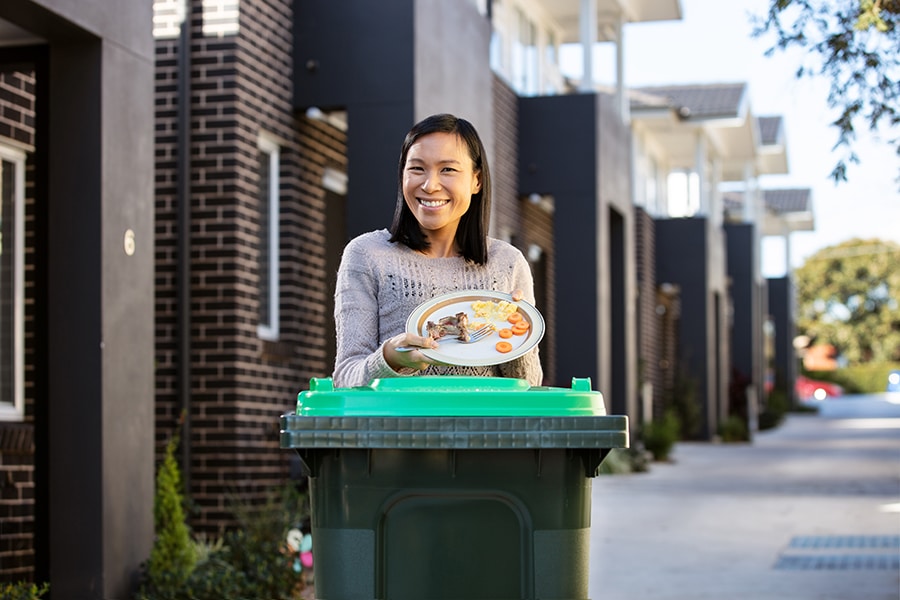
This initiative aims to provide an optimised and modern waste service for the community while increasing the diversion of materials from landfill, leading to improved environmental outcomes and cost savings for the council in its waste service delivery.
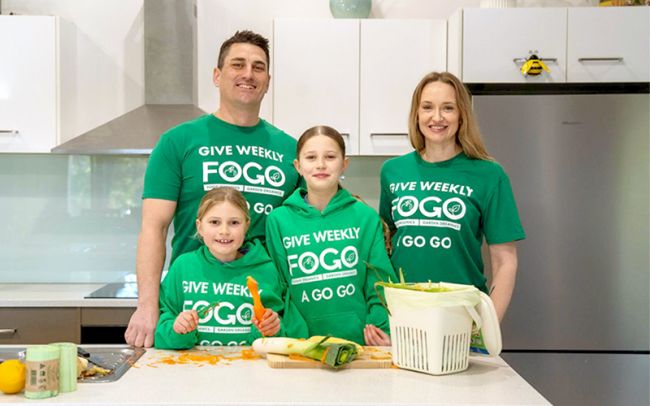
The decision was made on the recommendation of a feasibility study, initiated by the council and undertaken by the Adelaide Hills Regional Waste Management Authority (AHRWMA) that explored the potential for alternate kerbside waste collection services focused on weekly FOGO (green lid) bin collection.
The feasibility study explored two alternate kerbside waste service models, both featuring weekly FOGO collection and fortnightly general waste (blue lid) and recycling (yellow lid) services. The recommended model, provides a weekly FOGO collection to township properties, and introduction of fortnightly FOGO collection to rural properties, with general waste collection across all properties reverting to fortnightly and was identified as delivering the increased environmental and financial benefits.
The study predicts a potential increase in the kerbside diversion of waste to landfill rate from 49 per cent to 68 per cent, which would reduce landfill waste by approximately 2,600 tonnes per year — equivalent to removing 570 cars from the road or planting 3,680 trees annually.
Cost savings from the proposed model also presents financial benefits. The study estimates annual savings of around $142,000 compared to the current service. These savings come from a reduced cost of waste going into landfill and the payment of disposal costs and EPA levies on this waste. These savings, representing a 3.2 per cent reduction, could be passed on to ratepayers while also mitigating future risks associated with increases in the EPA landfill levy.
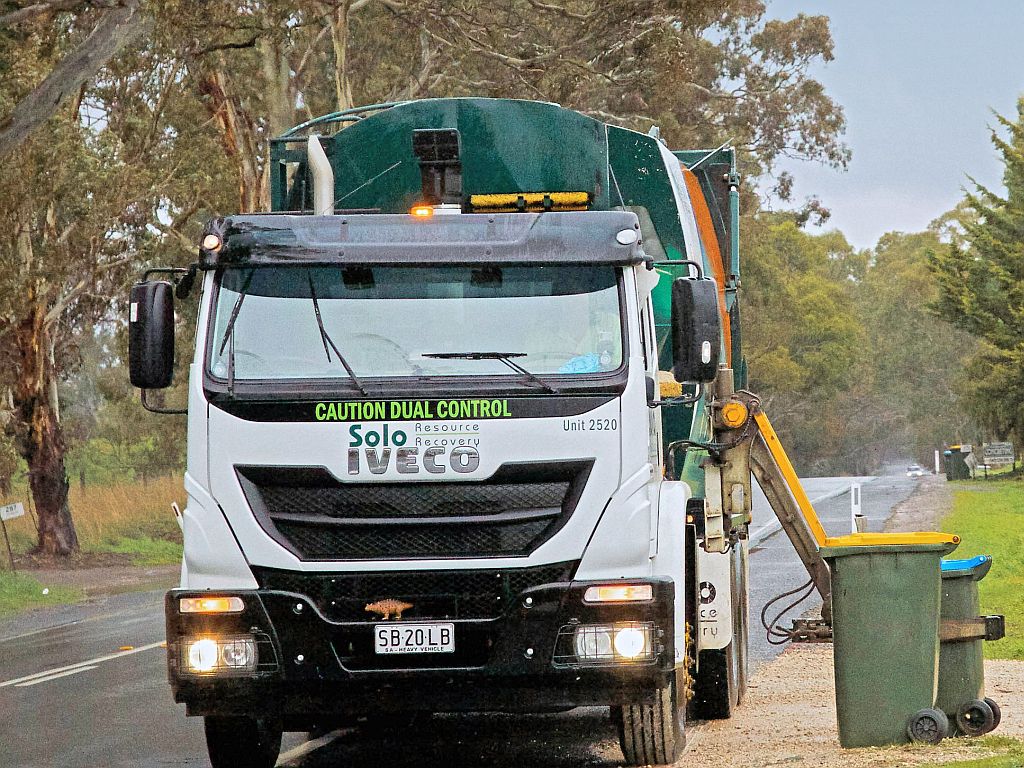
The next phase of the investigation will include community engagement, exploring potential grant funding opportunities, and planning for a trial of the proposed service model.
The council has allocated $30,000 for planning and engagement activities, including bin audits, public consultation, and the production of educational materials to inform and involve the community in the process.
The council’s General Manager Infrastructure, Phil Burton emphasised that community engagement would be crucial to the success of this initiative.
“Council is committed to ensuring residents are informed and have the opportunity to engage throughout the planning and trial stages,” Mr Burton said.
“The engagement campaign will include the establishment of a community reference group, community meetings, and distribution of information to ensure the community is aware of the benefits, challenges, and outcomes of the proposed change.”
A report on the planning and engagement outcomes will be presented to the council by mid-2025, before a decision is made to proceed with the trial, which could commence by late 2025. The results of a trial would help council determine whether to proceed with the full implementation of the weekly FOGO service across the district and under what conditions to accommodate the needs of its community.
Read the Alternative Kerbside Waste Services Investigation Feasibility Study