How we engage

Grounded in the principles of transparency and responsiveness, the council is committed to ensuring that every voice is heard and valued. Through a multifaceted approach, we aim to understand and address the priorities, needs, and aspirations of the various communities within our district.
Our engagement approach spans a spectrum of activities, ranging from providing essential information to collaborating with the public in decision-making processes.
Adopting the internationally recognized IAP2 framework, we tailor our approach to match the complexity of each issue and the level of community influence.
Early engagement enables us to identify opportunities and challenges in the planning process and respond accordingly. However, sometimes we need to get technical advice first to make sure you have the right information for the decision. Generally, the greater the impact on the community, the more interactive the engagement will be.
Effective engagement is not a one-size-fits-all endeavor. While some of the projects we engage on might impact the whole community, other projects or decisions might impact more specific parts of our community.
By leveraging the IAP2 Spectrum, we can adapt our methods to suit the different needs, ensuring everyone can participate meaningfully.
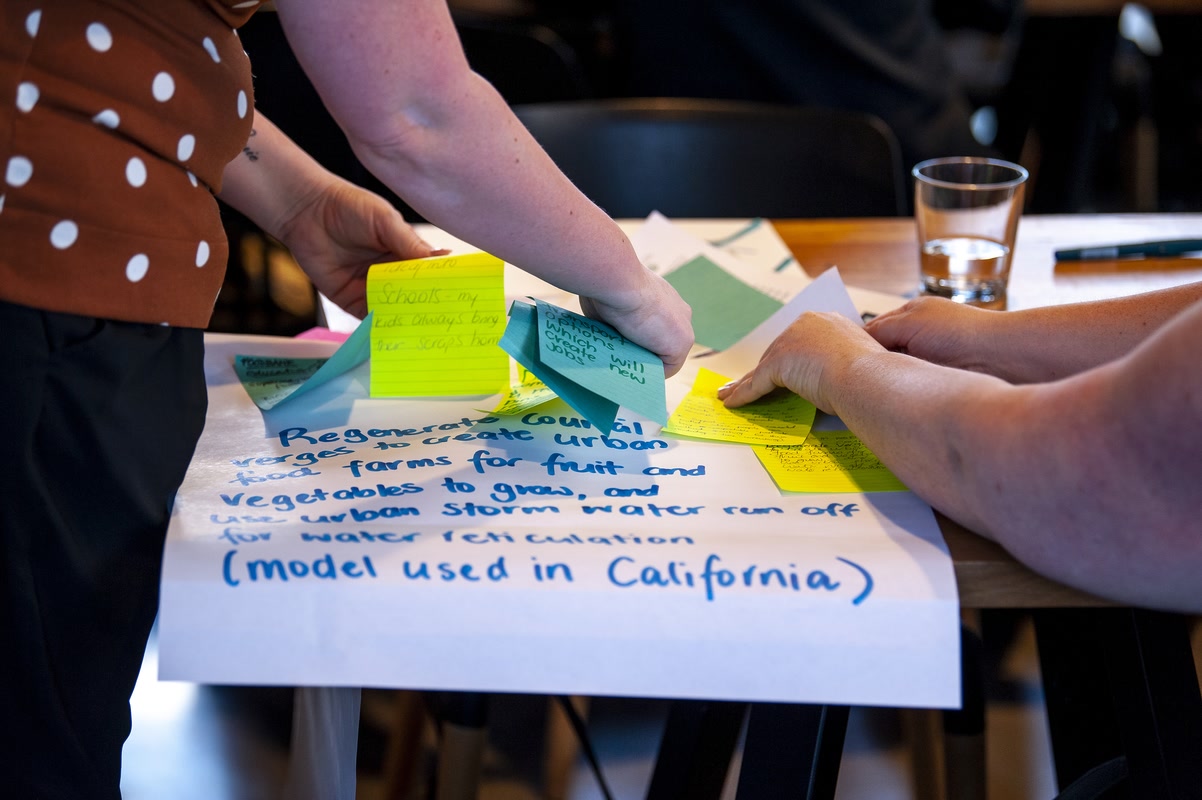
From informative newsletters and public information sessions to collaborative workshops and stakeholder forums, the council employs various channels to facilitate discussion and gather feedback. We seek to engage early to enable community input at crucial stages of decision-making, fostering a sense of ownership among residents.

It's not just about ticking boxes or meeting requirements; it's about building genuine relationships with our community. We want our residents to feel that their voices matter and that they play an integral role in shaping the future of our district.
The IAP2 Public Participation Spectrum serves as the framework for the council, guiding our efforts to plan and evaluate community engagement endeavors. By aligning the level of participation with the complexity of the issue at hand, we seek to foster collaboration and trust between decision-makers and the community.
The IAP2 Spectrum consists of five levels, ranging from low to high levels of engagement. Let’s look at them and what they mean.
| INFORM | At this level, the goal is to provide the community with balanced and objective information to help you understand the issue, project, or decision. It's a one-way communication process where information flows from Council to the community. Examples include newsletters, fact sheets, and public information sessions. |
|---|---|
| CONSULT | In consultation, Council is seeking input from the community to gather feedback, opinions, and suggestions on a proposed plan or decision. While Council may consider this input, the final decision rests with them. Common methods include surveys, drop-in sessions, and other written or verbal options. |
| INVOLVE | This level involves working directly with the community throughout the decision-making process to ensure their concerns and aspirations are considered. It includes engaging stakeholders in discussions, workshops, and collaborative processes to develop solutions and alternatives. Council commits to incorporating community and stakeholder input into the final decision. |
| COLLABORATE | Collaboration entails partnering with the community and stakeholders to develop mutually satisfying solutions to complex problems. It involves sharing decision-making authority with the community and stakeholders, with both parties actively contributing to the process. Collaboration often requires building relationships, fostering trust, and working towards consensus through joint problem-solving. |
| EMPOWER | It is to be noted that the IAP2 Spectrum includes “Empower” as a level of engagement, whereby final decision making is placed in the hands of the public. Under the Local Government Act 1999, the only decision making power which is likely to be placed in the hands of the public is that of electing Council Members every 4 years. The Act empowers an elected Council in South Australia to make policy, strategic and budget decisions except where delegated to staff, a committee, or a subsidiary, but delegations for decision making cannot be made to the public. |
Through ongoing engagement, we endeavor to build a stronger, more resilient community for generations to come.