Council Pushes for Work, Study and Innovation Spaces

A growing community with changing work patterns
Mount Barker’s population has grown rapidly since the 2010 rezoning. Thousands of residents commute daily to Adelaide and other centres for work and study. Population is expected to increase another 35 per cent to 65,000 residents by 2046.
At the same time, work patterns are changing. More people work flexibly, remotely or in hybrid roles. Universities and training providers are increasingly looking beyond traditional campuses.
Mount Barker District Council sees this as an opportunity.
Employment land is part of the picture — but not the whole story
Council has a role to play in planning and zoning for employment land and continues to do so.
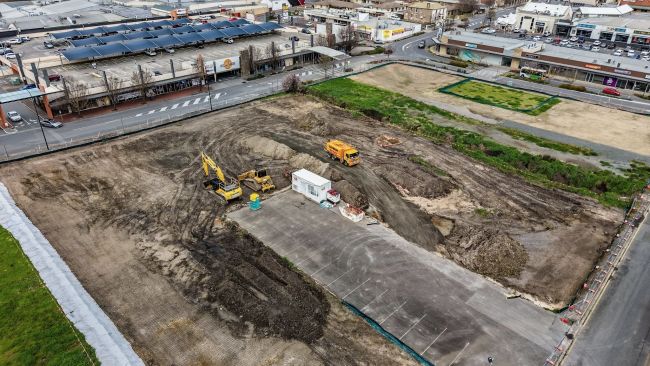
However, when approximately 1,300 hectares of land was rezoned in 2010 to enable housing growth, only limited and poorly located land was set aside for employment uses. This has left the district with a housing led growth pattern and a heavy reliance on commuting to Adelaide and other centres.
But building a local employment base is not just about zoning. It also requires:
- serviced land
- digital infrastructure
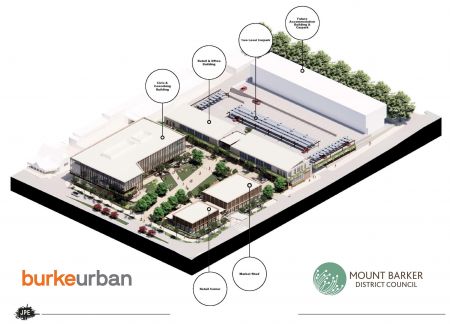
- co-working and innovation spaces
- education and training facilities
- partnerships with government and institutions
These elements don’t arrive automatically with housing growth.
Local work reduces pressure elsewhere
More opportunities to work and study locally reduce the need for long daily commutes, easing pressure on roads and public transport and giving residents more time with their families.
It would also support local businesses, strengthen the regional economy and improve quality of life for residents who currently spend hours each week travelling.
Council has consistently raised the link between local jobs, transport demand and cost-of-living pressures in its advocacy to State Government.
Council’s ask
Mount Barker District Council continues to support employment uses and future land where appropriate.
What it is asking the government to consider is complementary investment, including support for:
- co-working and innovation hubs
- satellite university or training facilities.
Mount Barker District Council Acting Mayor, Rowan Voogt said the next phase of growth needs to focus on balance.
“Housing has been the priority for many years,” he said.
“The next step is making sure people have the option to work and study closer to home.”
“That’s good for households, good for productivity and good for the transport network.”
Council says it will continue to work with the State, education providers and the private sector to support employment opportunities that match the scale of the community. “If Mount Barker is to keep growing,” Mr Voogt said, “then we need to grow not just houses, but opportunity.”