Mount Barker joins a collective to connect local people to local food
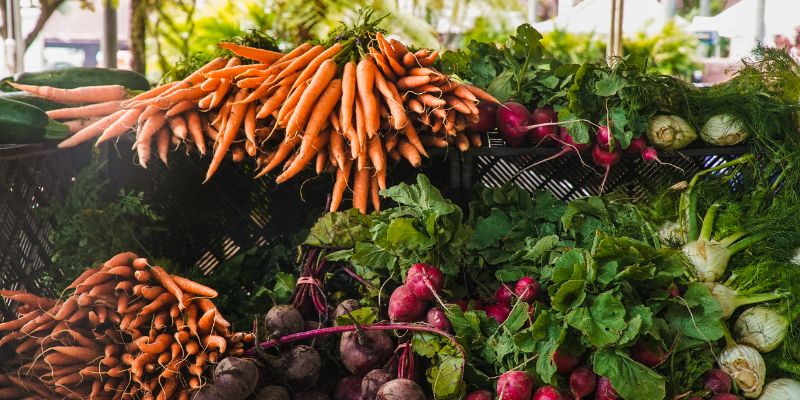
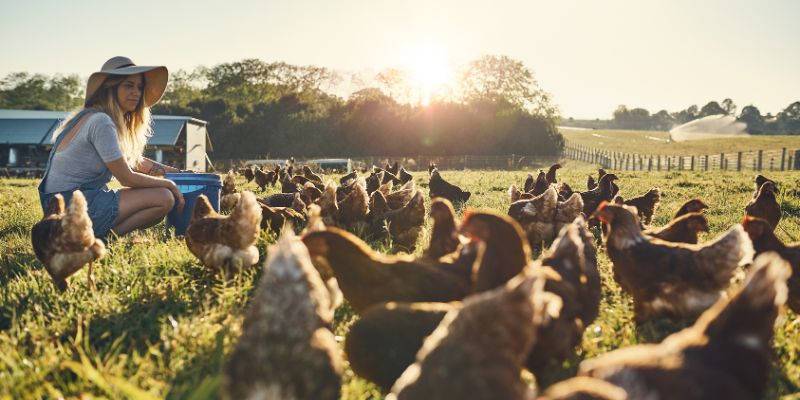
A thriving local food community is one where all people and country, from paddock to plate, are engaged, supported and adequately paid.
The Hills and Fleurieu local food future project is exploring ways in which farmers and producers can be supported and connected directly to local consumers, how the region can reduce the climate and ecological footprint of food and how food and farming can support the cultural and social fabric of the region into the future.
Mount Barker, Alexandrina, Onkaparinga and Yankalilla councils, Regional Development Australia, Landscapes Hills and Fleurieu, Fleurieu Food and Sustainable Table, are supporting the project by helping to fund a Local Food Activator role for 12 months.
Liz Sanders from the Food Embassy has been employed in this role and will work to bring stakeholders together, plan for sustainable food futures, and hold events promoting the local food region.
Ms Sanders said that everyone in the Hills and Fleurieu region has an interest and a role in their local food environment, including farmers, producers, distributors and retailers.
“There are now a number of issues that are impacting, or could further impact, the health of our local food environment in the region from climate change, population growth and development, changing land uses and market competition,” Ms Sanders said.
The project is looking at how healthy the local food system is for the population and environment, and what can be done to support a food system for people and the planet into the future.
“First Nations people managed the landscape sustainably for food production for thousands of years before the introduction of European farming systems and there’s a lot that we can learn,” Ms Sanders said.
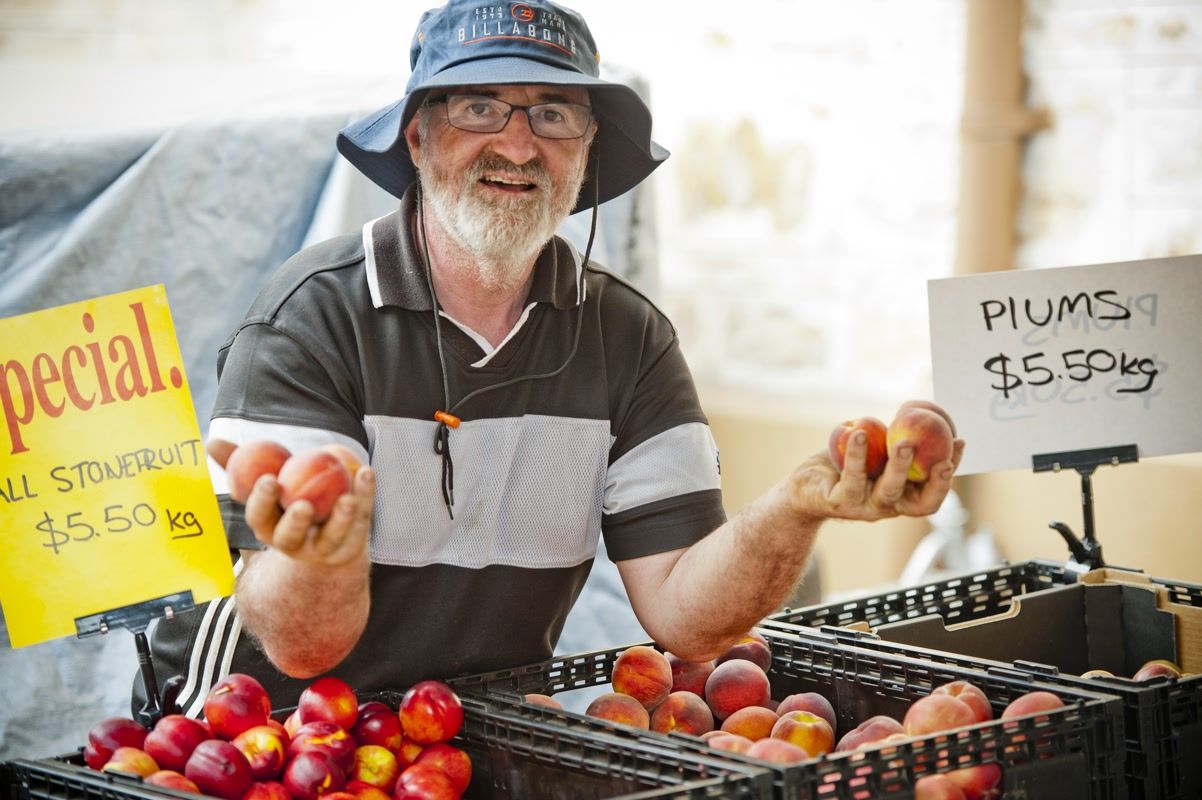
Farmers markets and small locally owned and operated food businesses that promote local food connection are another focus of the project as a way of offering healthy and sustainable food options.
“The region is known for the quality and variety of its food and there are some iconic businesses that contribute to this reputation,” Ms Sanders said.
“There are already many projects and activities that occur throughout the region that align with the visions and themes of the project. A key next step is to raise awareness of these projects through promotion and ongoing engagement.”