Council adopts strategic Advocacy Plan to support rapid growth
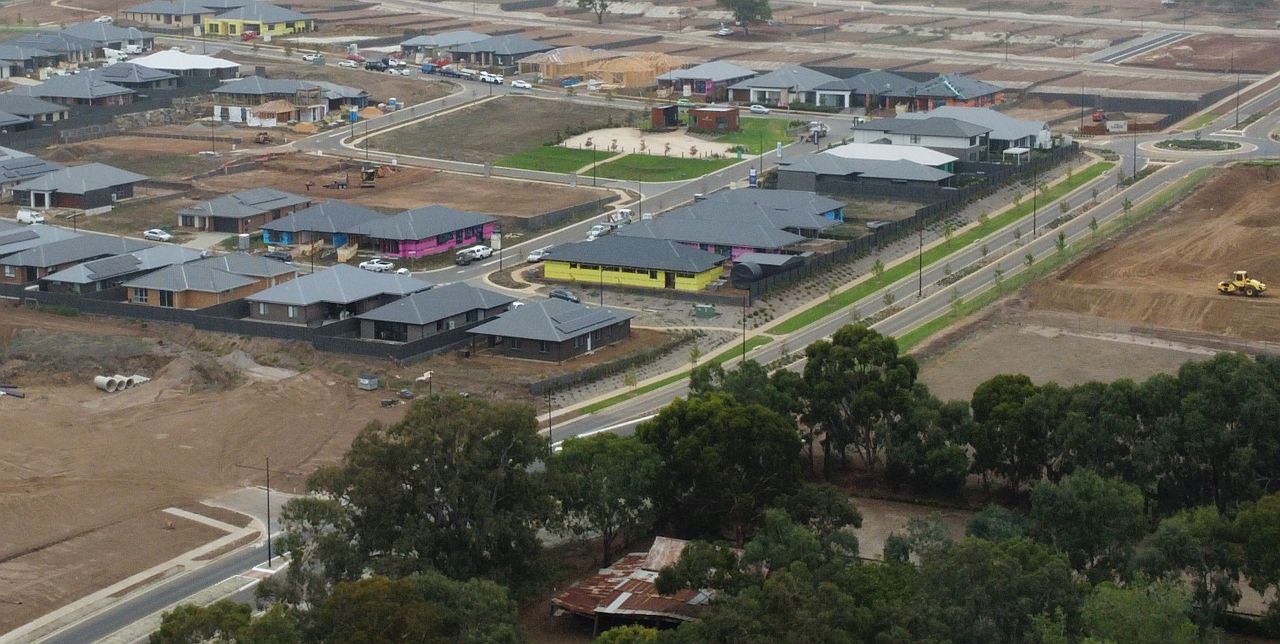
Shaped by public feedback and the community’s priorities identified in the MARKYT Scorecard, the plan focuses on six key areas essential to the district's future development: wastewater management, public transport, road upgrades, recreation and community facilities, education and health services, and policy changes to support high-growth councils.
Mount Barker Mayor, David Leach, highlighted the significance of the new approach, stating that the Advocacy Plan will provide a roadmap for focused efforts.
"For many years, we have actively engaged with State and Federal government departments, Ministers, and Senators to advocate for the services and infrastructure our community needs," Mayor Leach said.
"This new Advocacy Plan is a critical step in ensuring our efforts are unified and strategic, allowing us to push forward on key priorities for the benefit of our residents."
Currently, the council is advocating for more than 80 projects, with a combined value exceeding $7 billion. These projects span a range of needs, from infrastructure development to broader policy reforms.
"The Advocacy Plan outlines a clear framework for the types of advocacy Council will undertake," Mayor Leach said. "This includes actively seeking financial support for major projects.”
The plan also focuses on influencing regulatory and legislative environments, including initiatives such as the Greater Adelaide Regional Plan and the SA Transport Strategy. It advocates for essential infrastructure investments, such as upgrades to the hospital and key intersections like Mawson, Battunga and Nottage roads in Meadows along with responsive advocacy to address emerging issues like bushfire recovery.
At the Council meeting on 20 January 2025, Councillor Narelle Hardingham moved that Council adopts the Advocacy Plan subject to the inclusion of a Hahndorf bypass, upgrades to Hahndorf Main Street, and an access path along Mount Barker Road over the Onkaparinga River as additional projects as priority advocacy items.
In recommending the additions, Councillor Hardingham said that these projects support the principles of our advocacy plan and address key critical infrastructure gaps enhancing our community wellbeing and supporting sustainable development.
The plan is built on five guiding principles, designed to ensure effective and meaningful advocacy. It stresses that advocacy must be direct and purposeful, focusing on long-term relationship building rather than transactional interactions. Evidence-based advocacy, persistence, collaboration, and empowering the voices of the community are key components of the strategy.
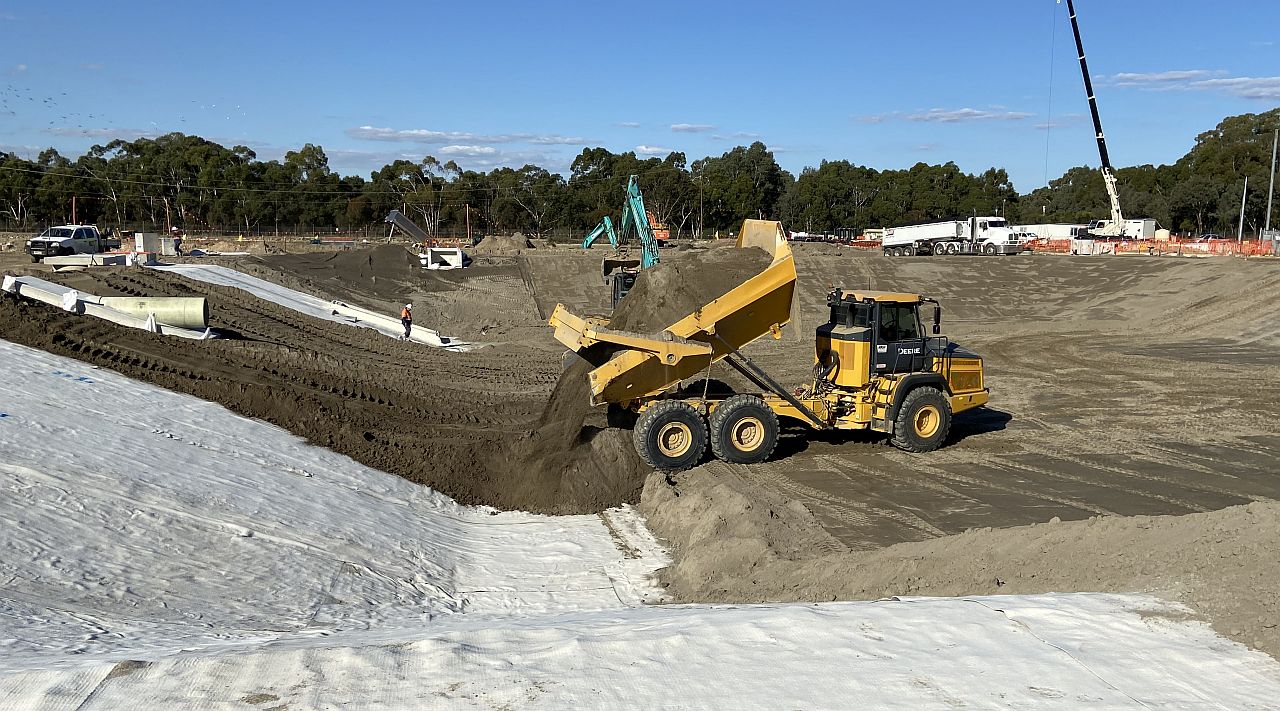
Several priority projects and funding requests are detailed in the plan. These include $48 million for the Laratinga Water Recovery Plant upgrade and trunk infrastructure, improved public transport services, and investments in critical road upgrades and intersection improvements.
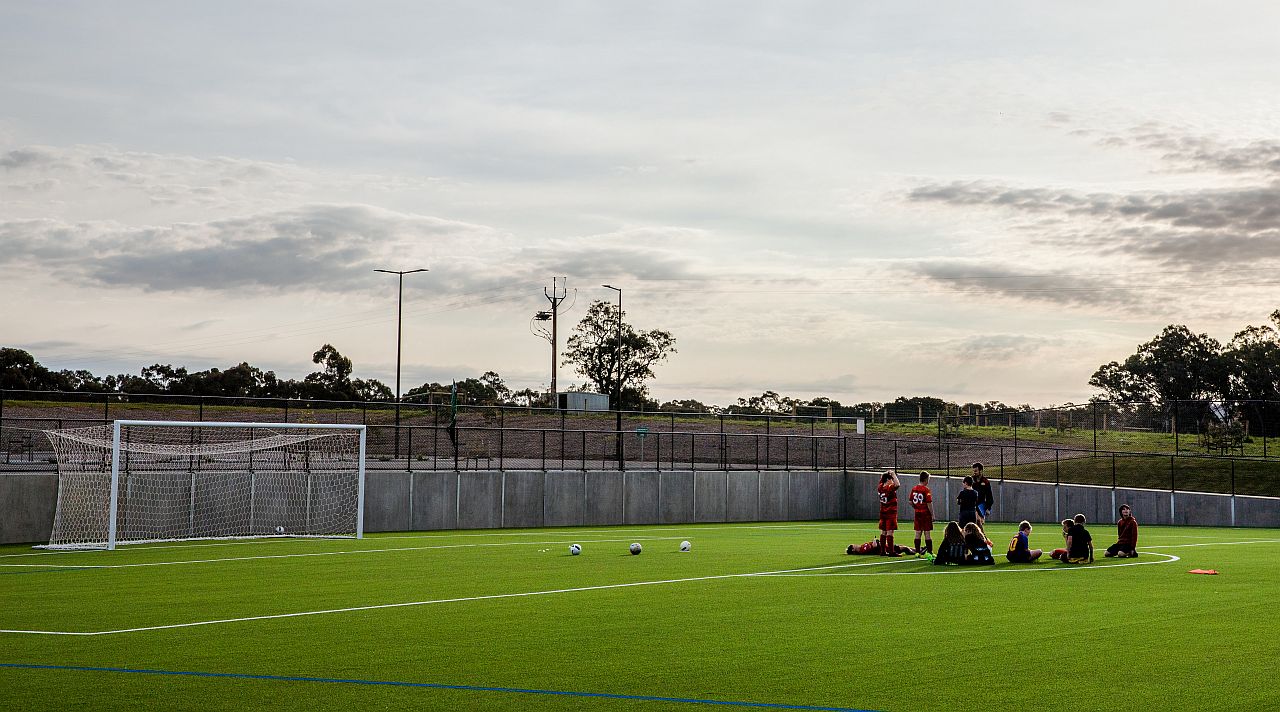
In addition, $2 million is sought for the next stage of the soccer facilities at the Summit Sport and Recreation Park, and a commitment for a new public high school is requested. The plan also advocates for dedicated funding streams to support high-growth councils and identifies smaller projects, valued at $2 million or less, which require co-funding from government and private partners.
To ensure resources are directed towards the highest-impact projects, a priority-ranking framework has been developed. The plan also includes mechanisms for tracking progress and ensuring accountability, with regular reporting measures in place.
“We have not always communicated to residents the extent of the advocacy that takes place between the Council and the other two tiers of government. We intend to highlight these actions in regular reports through the Council meeting agenda,” Mayor Leach said.
“We believe this advocacy plan will set a clear, strategic direction for Council’s advocacy work over the next five years, and with a targeted, coordinated approach, we’re confident we can secure the necessary funding, resources, and support to build a better future for our community and achieve our vision of becoming the most liveable region in South Australia.”