Council progresses toward a Parking Management Plan for Hahndorf
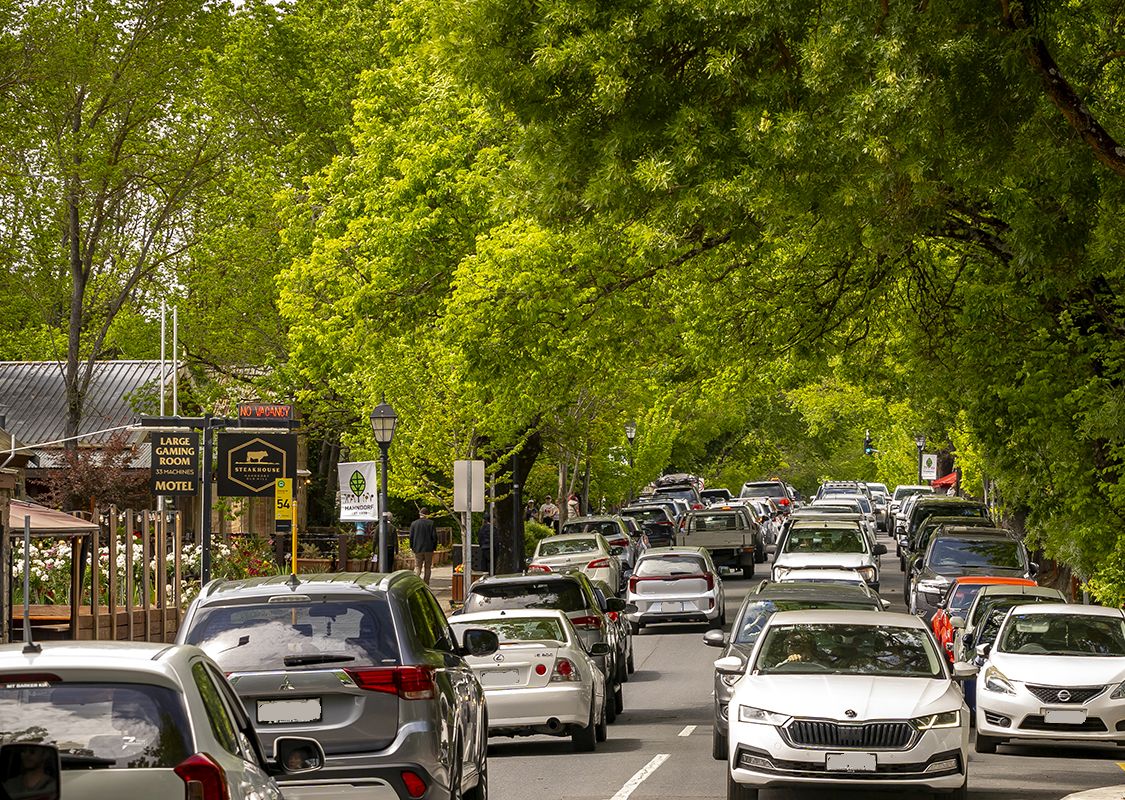
The surveys, which analysed occupancy and length of stay across on-street and off-street parking areas, confirm that while parking supply is generally adequate during off-peak periods, demand increases significantly on weekends, during holiday periods and at major events. On peak days, capacity in the main street and surrounding streets is consistently reached, with flow-on impacts to residential areas.
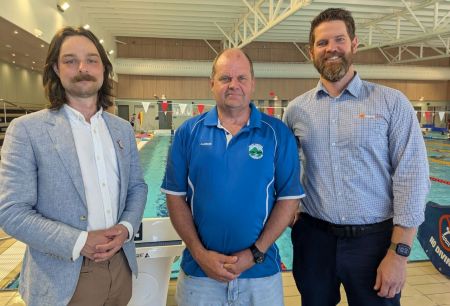
Phil Burton, General Manager Infrastructure and Environment, said the data now gives the council a clearer picture of how parking in Hahndorf is functioning and where investment is needed.
“We know parking in Hahndorf has been a long-standing concern for residents and businesses,” Mr Burton said.
“These surveys provide the most comprehensive insight we’ve had in years, and they show that while the system copes during quieter periods, it comes under real pressure during peak times.”
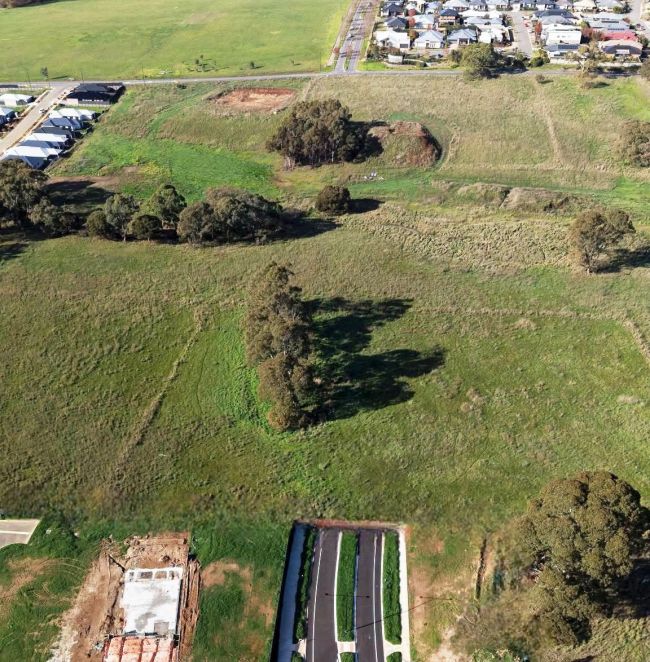
Council staff will now begin detailed investigation into several major initiatives. These include concept designs for new public parking at 108 Mount Barker Road, potentially delivering 80 to 90 additional spaces in two stages, as well as exploring new on-street parking along the northern side of Mount Barker Road between the Carl Nitschke carpark and Ambleside Road. These proposals will consider tree-sensitive design, disability-compliant parking bays and electric vehicle charging points.
The council will also design a digital wayfinding system using variable message boards to direct visitors to available spaces across all council-managed carparks. The initiative aims to reduce the volume of traffic circulating the main street in search of a park, a key contributor to congestion.
The survey results confirmed that while most visitors park for up to three hours, within the existing time limit, demand spikes during busy periods push vehicles into residential streets and off-street areas, often for longer stays. Council has indicated that any future consideration of residential parking restrictions should occur only once sufficient alternative parking is available elsewhere.
One of the most significant elements under review is the possible introduction of paid parking in Hahndorf. Although no decision has been made, the council has outlined several reasons why paid parking is being examined, including recognising the high value of limited main-street spaces, encouraging turnover, ensuring fairness between public and private carparks and creating incentives for visitors to use off-street parking for longer stays.
While not a primary driver, paid parking could also generate revenue to offset the cost of building new parking infrastructure and provide detailed data to support long-term parking management.
Mr Burton said paid parking is only one option being considered and would only move forward if it supports a fairer and more effective system.
“If paid parking is explored further, it will have to be part of a broader package that includes more off-street parking and clear alternatives for visitors,” he said.
“We’re very aware of the risk of pushing cars into residential areas, and any solution must avoid worsening the situation for locals.”
A Community Engagement Plan endorsed by the council outlines ongoing consultation with the Hahndorf Business and Tourism Association and the Hahndorf Community Association. The final Hahndorf Parking Management Plan will return to Council for endorsement by June 2026.